










Sun
Mon
Tue
Wed
Thu
Fri
Sat
$200/hr$150/hr$100/hr$50/hr
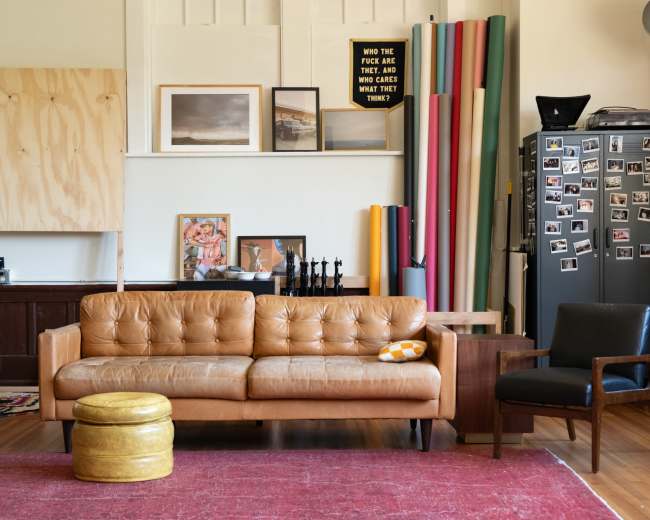
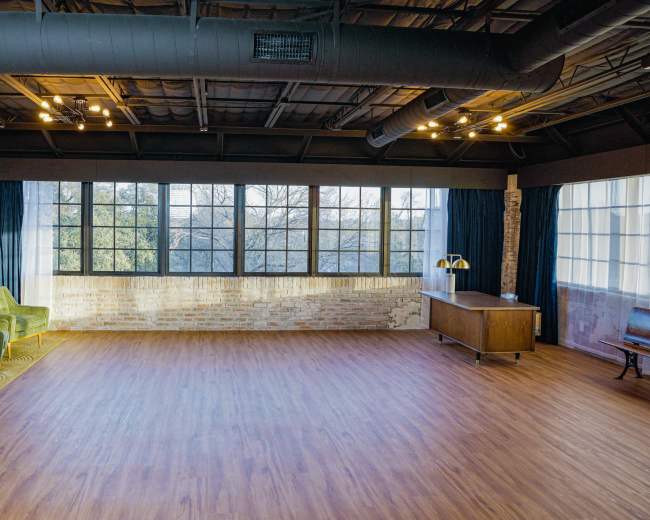
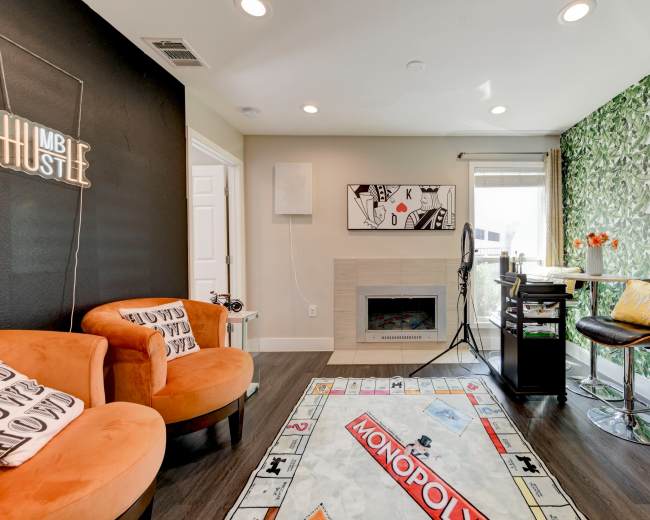
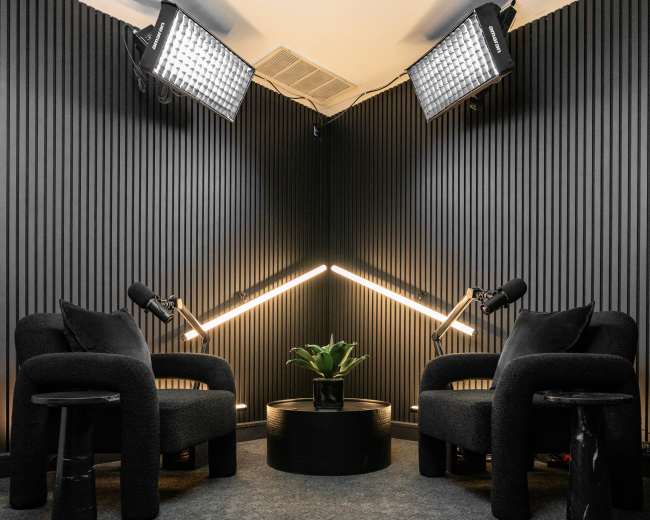
Peerspace is the easiest way to book unique video studios for all kinds of productions including photo shoots, film shoots and music videos. We also have spaces for meetings and events.
Discover SpacesEvery day we uncover new, inspirational spaces, including video production studios, perfect for your activity.
Our network of helpful hosts respond quickly, and are well-versed in accommodating all types of productions, including film and photo shoots.
Only pay for what you need. Pay by the hour for your video production studio location without worrying about hidden fees or overtime.
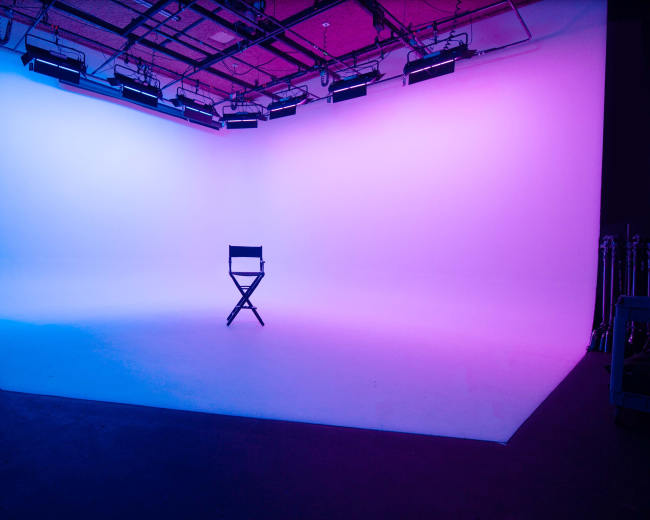
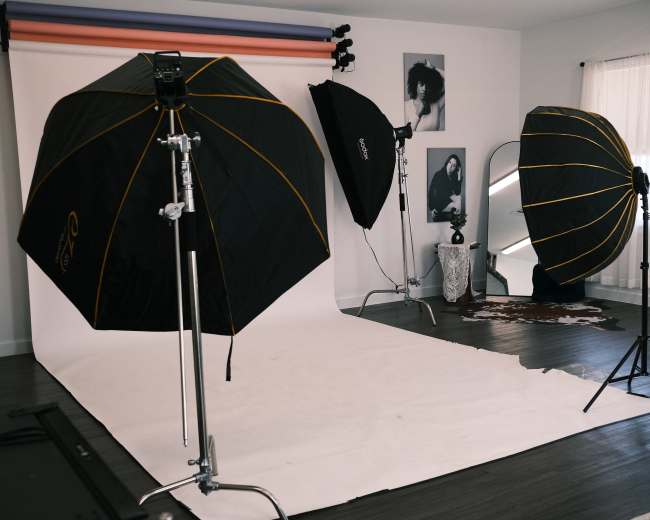
Pre-Lit Photo/Video Studio with Cyc Wall & RGB Lighting | Central Austin
Highland, Austin Texas, TX5.0 (48)
12 guests
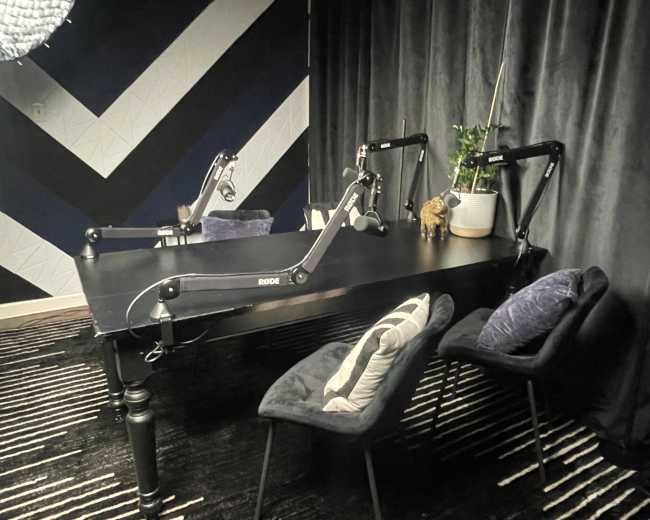
Content Creation Studio - Downtown - Podcast/Video/Photo - Various Lighting Options INCLUDED
Treemont, Austin, TX5.0 (198)
20 guests
Kollective Photo & Video Studio
South River City, Austin, TX15 guests
Large Unique Round Rock Video/Music Production Studio with Cyclorama
Old West Addition, Round Rock, TX5.0 (1)
100 guests
Central Austin Cyc Wall Photo & Video Studio
Georgian Acres, Austin, TX4.8 (24)
15 guests
Multi-Use Recording Studio
Coronado Hills, Austin, TX5.0 (5)
8 guests
Studio For Video, Photography, Podcast, Live Streaming and Content Creators
Pond Springs, Austin, TX5.0 (53)
12 guests
East 7th St Sound Proofed Production Studio
Blackshear-Prospect Hill, Austin, TX4.9 (16)
30 guests
Austin 3-camera Video Podcast Studio
East Cesar Chavez, Austin, TX5.0 (5)
6 guests
Centrally Located Recording Studio for Film Shoots
Holly, Austin, TX5.0 (2)
10 guests
Homey, Versatile Space with Full Video Production Capabilities
Austin, TX12 guests
Commercial Production and Podcast Studio and Lounge with Viewing Window
Cameron Industrial, Austin, TX20 guests
Video/Photo Studio with Large Cyclorama Wall
Round Rock West, TX5.0 (80)
50 guests
Quiet Suburban Studio for Podcasts & Video Shoots
Pflugerville, TX5 guests
Austin Podcast Studio, Podcasting Space with Video
North Loop, Austin, TX5.0 (8)
8 guests
Content Studio + Professional Stage & Treetop Views
Westlake Oaks Executive Park, Austin, TX5.0 (2)
10 guests
South Austin Professional Film & Podcast Studio
McKinney, Austin, TX4 guests
Large Studio / Warehouse Flex Space in South Austin
Dittmar-Slaughter, Austin, TX200 guests
HowMuch?! Studios | Creative Event Space - Indoor/Outdoor Venue
Highland, Ausitn, TX100 guests
East Austin Podcast Studio
University Hills, Austin, TX8 guests
Clean Studio Space Located in North Austin
Wooten, austin, TX10 guests
Modern 650 sq ft Creative Studio with On-Site Parking
Manor, TX4.8 (12)
15 guests
Downtown Content Creation Studio - Contemporary Design & Equipment in a Cozy Setting
Hancock, Austin, TX6 guests
Austin Video Podcast Studio - 3 Cameras
East Cesar Chavez, Austin, TX4.9 (58)
6 guests
Photo/Video Cyc Wall Studio – RGB Lit
East Cesar Chavez, Austin, TX10 guests
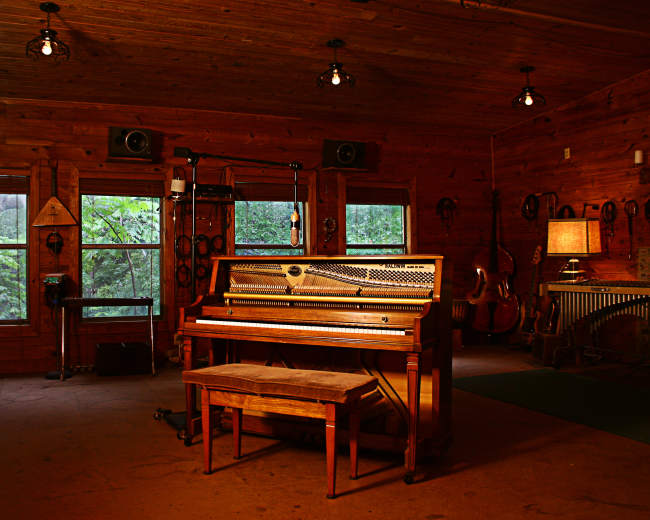
Texas Hill Country Recording Studio + Multi-Cam Live Stream Space
Volente, TX150 guests
Austin Video Podcast Studio - 3 Cameras!
East Cesar Chavez, Austin, TX5.0 (41)
6 guests
Professional Photo Studio in S. Austin w/ corner cyc wall
Dawson, Austin, TX4.9 (43)
10 guests
Natural Light Photo Studio with Gear in Historic Austin Building
Hyde Park, Austin, TX5.0 (55)
10 guests
Natural Light Content Studio Loft on South Lamar - Best Daylight Studio in Austin!
South Lamar, Austin, TX5.0 (68)
20 guests
Central ATX production space with Natural Light + lighting equipment
St. Johns, Austin, TX5.0 (5)
10 guests
Podcast Studio – Record & Get Edited File
East Cesar Chavez, Austin, TX5.0 (2)
3 guests
Luxury Editorial Studio with Natural Light & Neutral Tones
Mesa Trails, Austin, TX5.0 (25)
15 guests
Podcast Studio – Record & Get Edited File
East Cesar Chavez, Austin, TX5.0 (2)
3 guests
Professional Podcast Studio in Round Rock, TX
Round Rock West, TX5.0 (4)
10 guests
Mid-Century Curated Bungalow | Designer Home for Photo & Video Shoots
Rosewood, Austin, TX5.0 (1)
20 guests
Pricing and popularity information in this section is based on proprietary Peerspace booking data, reflecting recent booking activity and the latest data available through October 2026.
Video studios in Austin average $130 per hour to rent, but it’s easy to spend less or more depending on what you’re looking for. For a space on the smaller side, expect to spend closer to $169, whereas larger venues run about $175 per hour.
Most video studios are scheduled for 9 hours, with 11 people in attendance. You’ll find the most Video Studios starting between 11:00 AM and 12:00 PM.
Our local hosts have welcomed 790 people into their video studios with reviews averaging 4.94 stars. Most even said they would book again -- about 99%.
Saturdays are the most popular day for booking video studios in Austin. For those seeking a deal, consider booking Monday and Saturday as these days are 15% cheaper on average.


