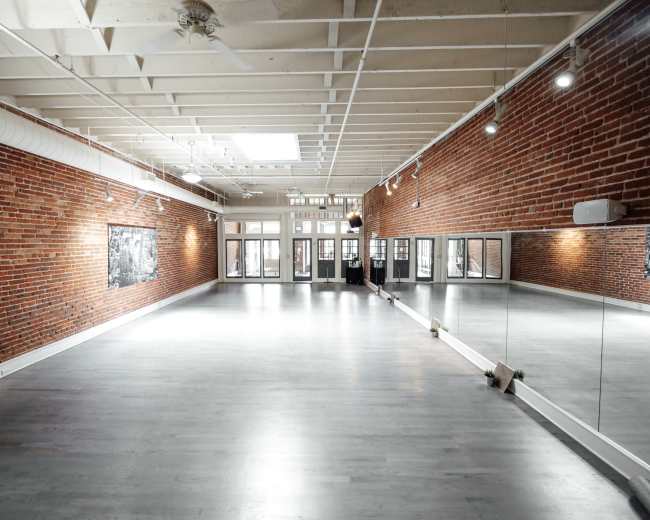
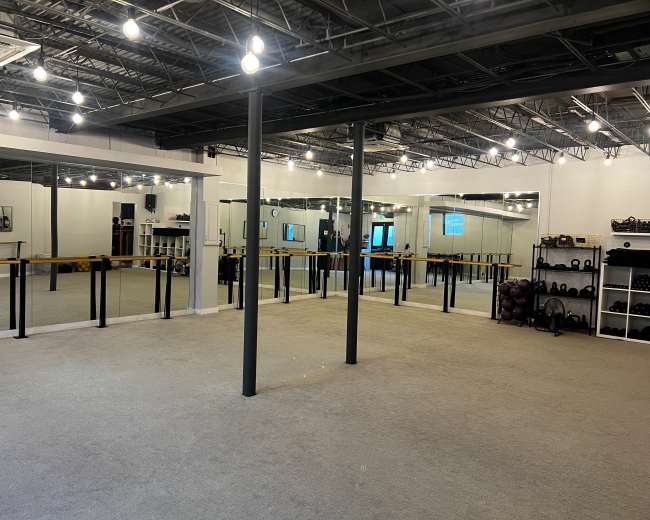
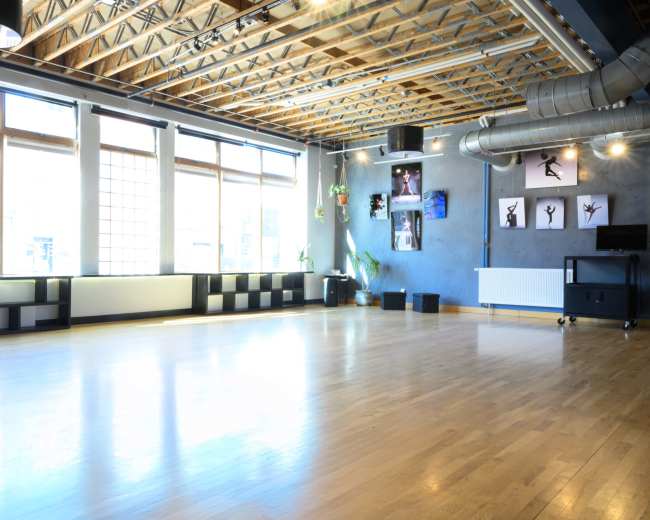
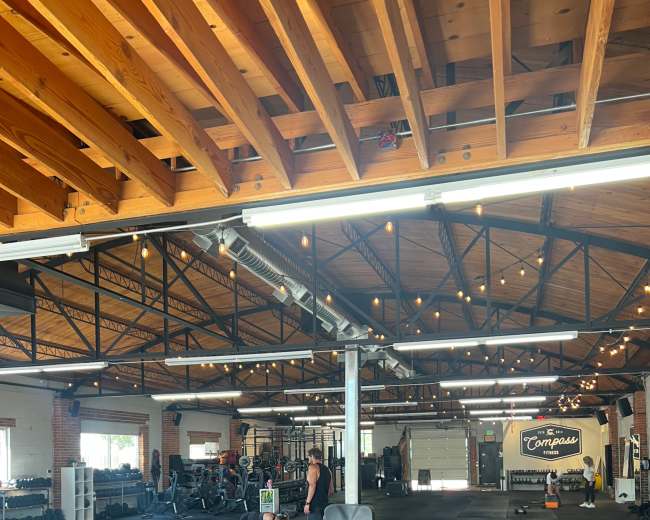
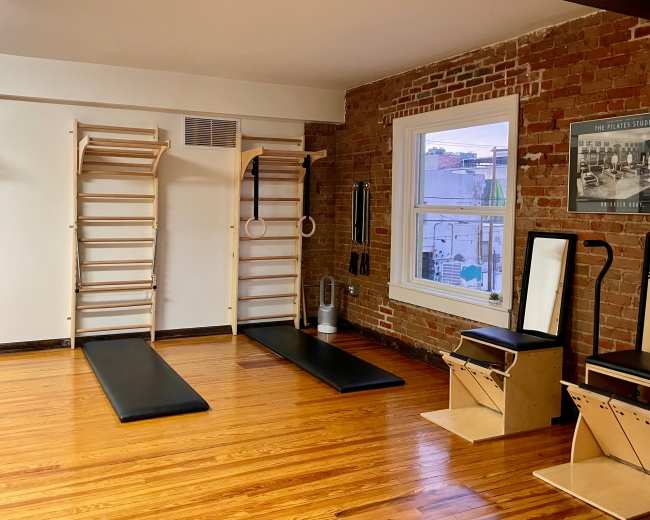
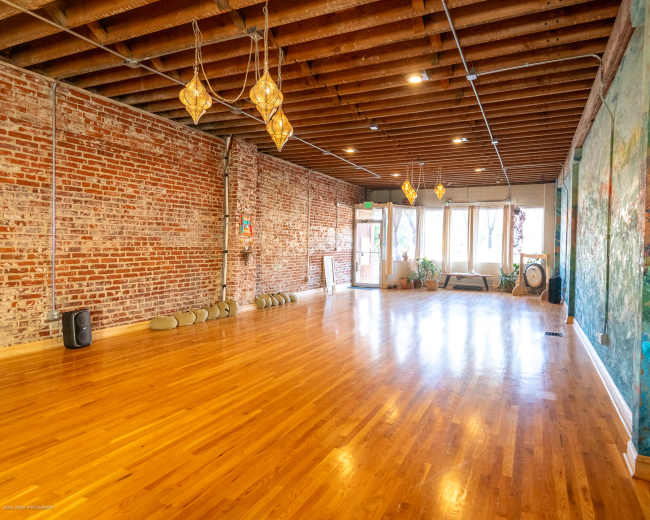
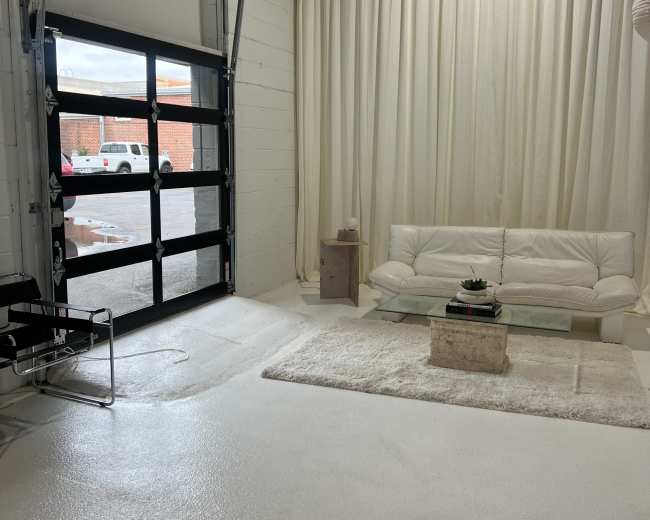
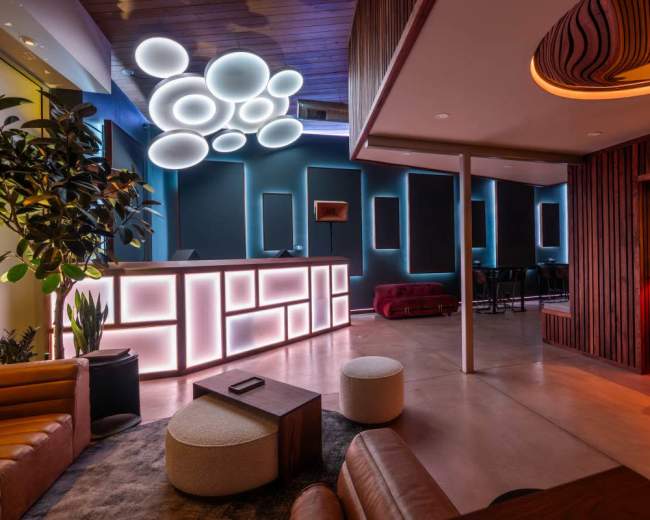
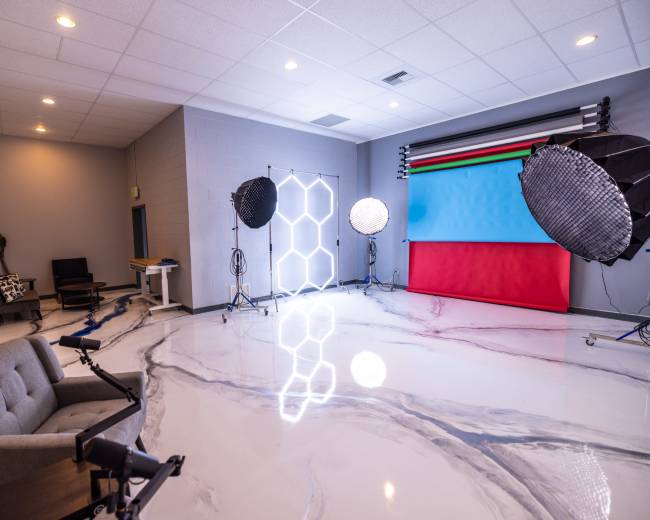
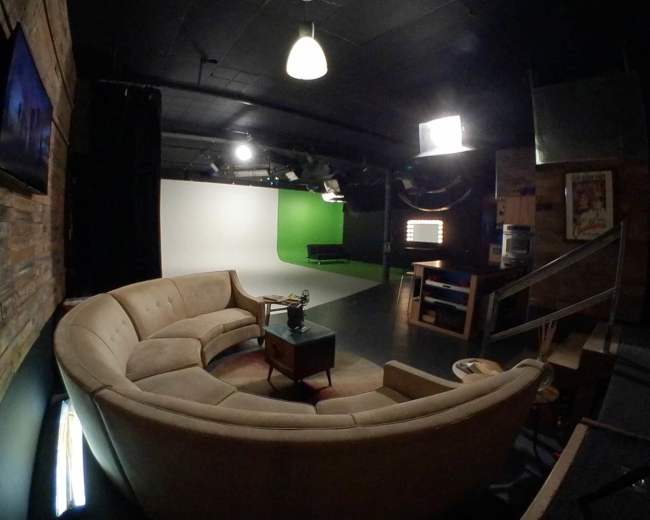
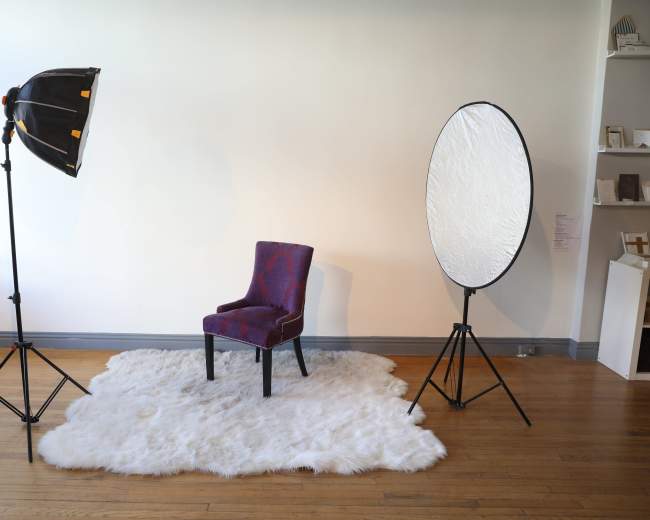
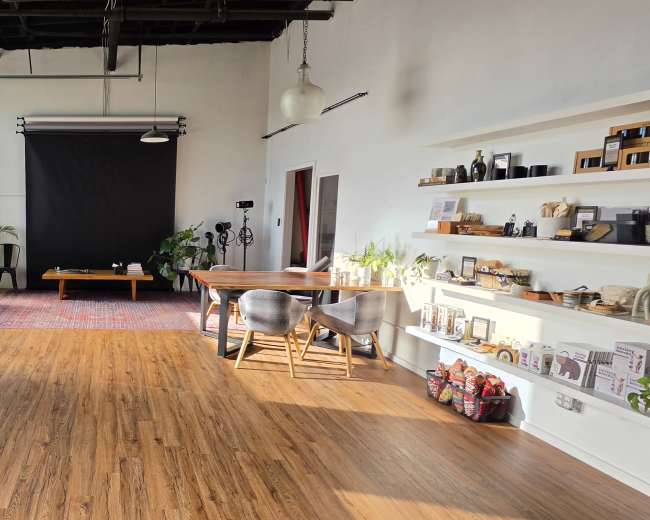
Rent a dance studio in Denver, CO

Discover thousands of unique dance studios for rent perfect for your event.

Enter your activity
Denver, CO, United States

How dance class spaces work on Peerspace

Peerspace is the easiest way to book unique dance studios for parties, weddings, meetings, productions and more.

Discover Spaces

Unique venues

Every day we uncover new, creative spaces, including dance class spaces, perfect for your activity.

Honest pricing

Our dance studios are priced to fit your budget. Hire by the hour without worrying about hidden fees.

Smooth bookings

No more messy contracts. We build the tools to make booking dance class space venues as easy as the click of a button.

Popular dance studios

Explore all 100+ dance studios in Denver. See All ›

Frequently Asked Questions

Pricing and popularity information in this section is based on proprietary Peerspace booking data, reflecting recent booking activity and the latest data available through September 2026.

How much does a dance studio cost to rent in Denver?

Dance studios in Denver average $85 per hour to rent, but it’s easy to spend less or more depending on what you’re looking for. For a space on the smaller side, expect to spend closer to $120, whereas larger venues run about $210 per hour.

How long do people rent dance studios in Denver?

Most dance studios are scheduled for 9 hours, with 16 people in attendance. You’ll find the most Dance Studios starting between 11:00 AM and 12:00 PM.

How popular are dance studios in Denver?

Our local hosts have welcomed 987 people into their dance studios with reviews averaging 4.95 stars. 100% of guests said they'd book again.

What's the best day to rent a dance studio in Denver?

Saturdays are the most popular day for booking dance studios in Denver. For those seeking a deal, consider booking Tuesday and Sunday as these days are 8% cheaper on average.

What hourly rates should I expect for a Denver dance studio?

A practical hourly range for a Denver dance studio is usually about $20 to $90 or more, depending on the room size, floor quality, amenities, and whether you're booking rehearsal time or event time. In most cases, the market breaks into three tiers: low-cost practice rooms, mid-range studio rentals for classes and rehearsals, and higher-end spaces with added polish or shared-area access. The biggest pricing mistake renters make is comparing two different use cases as if they're the same product. A rehearsal booking, a private lesson, a workshop, a filmed session, and a public event often come with different rates and different rules. To get a sense of what's available across the market, browse dance studios in Denver and compare pricing, amenities, and room sizes side by side. Before you book any dance studio rental, ask these questions clearly and in writing:
  • Rate type: Is this price for rehearsal, a private lesson, a workshop, filming, or a public event?
  • Included spaces and gear: Does the rate include only the studio, or also the lobby, waiting area, sound system, lighting, cleaning, tables, or staff support?
  • Minimum booking: Is there a one-hour minimum, a two-hour minimum, or a required block booking?
  • Extra fees: Are there cleaning fees, deposits, overtime charges, or after-hours access fees?
  • Capacity: Does the quoted rate assume solo practice, a small class, or a larger group?
If you're budgeting carefully, think beyond the sticker price. A lower-cost room may be perfect for audition prep, solo drilling, or a small pop-up class. A higher-priced studio can be worth it if it helps you teach with confidence, welcome students comfortably, and create content that looks professional.

How do I find spaces with sprung floors and Marley surfaces?

The fastest way to find the right dance studio rental is to look for exact flooring language in the listing, not vague phrases like dance floor or studio flooring. If a space doesn't clearly name the floor system, assume you still need to ask follow-up questions. When you contact the host or studio manager, ask for the exact floor build:
  • Subfloor: Is it sprung, floating, hardwood over concrete, or direct concrete?
  • Top surface: Is it Marley, wood, laminate, or a multi-use surface?
  • Permanent Marley: Is the Marley installed full time, or rolled out only for certain uses?
  • Best use: Is the floor best for ballet, contemporary, heels, jazz, or tap?
  • Restrictions: Are street shoes, rosin, tap shoes, or furniture restricted?
This matters because flooring affects more than aesthetics. It changes comfort, traction, fatigue, and how safe dancers feel moving full-out. If you teach or rehearse multiple styles, ask whether the floor is truly versatile or simply acceptable for styles it wasn't designed for. When comparing options, it can also help to consider recital spaces in Denver for classes and practice so you can filter by the specific features that matter most. A few red flags are easy to spot. Be cautious if the listing gives no floor details, if the host can't explain the subfloor, or if the room looks better suited for parties or photo shoots than repeated dance use.

Can I host pop-up classes without signing a long-term lease?

Yes. For many instructors, renting by the hour is the smartest way to start. A short-term dance studio rental lets you test a concept, build an audience, and learn which day and time actually works before taking on the risk of a full lease. This is especially useful if your real challenge isn't finding space, but avoiding overhead too early. Pop-up bookings let you validate demand first. You can try a Sunday heels class, a monthly choreography lab, or a four-week beginner series without committing to rent every week whether students show up or not. A simple structure works best:
  • Start small: Launch with one class, one workshop, or a short series.
  • Choose a niche: Focus on something clear like beginner-friendly classes, heels, audition prep, wedding first-dance coaching, or a choreography lab.
  • Build in margin: Include setup and teardown time in the booking so you're not rushed.
  • Know your break-even: Decide how many students you need to cover the room cost and still make the class worthwhile.
  • Keep it polished: Good music, clear check-in, and a welcoming atmosphere matter as much as square footage.
Pro tip: Message the host before you book and confirm setup and teardown time, speaker access, and any class-related rules. If you're comparing multiple spaces, save them in one place and review them with collaborators before committing. If you're ready to organize a structured session, you can rent workshop spaces designed for that kind of use. Also, avoid sending multiple live booking requests at once unless you're ready to pay for more than one space.

Which Denver neighborhoods work best for dance rehearsals?

The best neighborhood for a dance studio rental is usually the one your dancers can reach consistently, not the one with the most buzz. In practice, commute time, parking, safety, and building access usually matter more than the neighborhood name alone. A helpful way to compare Denver areas is this:
  • Highway-access areas: Often best for teams, crews, and anyone bringing gear, because parking and loading matter more than walkability
  • Central neighborhoods: Usually better for after-work adult classes, private coaching, and students who want shorter city commutes. Explore dance studios in Central Denver for classes and rehearsals.
  • Creative mixed-use pockets: A strong fit when you want your rehearsal space to double as a filming backdrop or workshop venue. Neighborhoods like Five Points are worth exploring.
  • Metro options: Worth considering if price and convenience matter more than having a central address
When you compare neighborhoods, ask yourself:
  • Weekly commute: Will my dancers realistically make this drive every week
  • Parking after dark: Is parking easy and low-stress at the time my class or rehearsal ends
  • Arrival comfort: Will students feel comfortable arriving alone
  • Noise sensitivity: Is the building in an area where music volume could become an issue
  • Brand fit: Does the location match the experience I want to create
If two spaces are otherwise similar, choose the one that removes friction. Reliable attendance is usually worth more than a trendier zip code.

Is renting a studio better than using a home, park, or beach?

For serious rehearsals, paid classes, and anything student-facing, yes. A dedicated dance studio rental usually gives you more consistency, privacy, room to move full-out, better sound, mirrors, and a more professional experience. Home can work for marking choreography, running counts, or quick self-tape prep. Outdoor locations can work for visual content when scenery matters more than technical dance conditions. But once you care about floor safety, sound control, weather, restrooms, privacy, or creating a polished student experience, a studio usually wins. A simple rule of thumb is:
  • Home: Best for solo practice, marking choreography, or quick prep
  • Outdoor locations: Best for content capture when the visual setting matters more than dance-specific infrastructure
  • Studio: Best for teaching, hiring dancers, rehearsals, auditions, workshops, or anything ticketed
The hidden difference is infrastructure. Nontraditional spaces often create avoidable stress around power, restrooms, capacity, noise, weather, and permitting. If your goal is to grow a class, protect the quality of the experience, or build a brand that feels legitimate, a studio is usually not an extra. It's the operational upgrade that makes everything run more smoothly. If you need a space with mirrors, sound systems, and proper flooring, but want flexibility beyond a traditional dance studio, you might also find fitness studios in Denver that can serve double duty for certain class formats.

What permits or insurance do I need for ticketed dance events?

It depends on the setup, but you should never assume a normal rehearsal booking covers a ticketed event. Once you charge admission, invite the public, add seating, serve alcohol, or increase attendance, you're usually dealing with event rules rather than standard rehearsal rules. In practical terms, the requirements often change based on the venue, the type of use allowed in that building, the expected crowd size, and whether the venue already has the right approvals in place. Insurance is also commonly required, and many venues ask for a certificate of insurance before the event date. Before you announce or sell tickets, ask the venue these questions:
  • Venue approval: Is this space already approved for public, ticketed dance use?
  • Permit responsibility: Will the venue handle permits, or are you responsible for them?
  • Posted occupancy: What is the legal capacity for both standing and seated layouts?
  • Alcohol service: Is alcohol allowed, and if so, under whose license?
  • Staffing: Do you need security, ushers, check-in staff, or crowd management support?
  • Sound limits and curfews: Are there volume limits, end times, or neighborhood restrictions?
  • Insurance certificate: Do you need to provide a certificate of insurance, and what limits are required?
  • Event agreement: Does the venue require a separate rental agreement for showcases or public events?
If you're moving from a rehearsal-size group into a showcase with guests, treat it like an event, not a class. Capacity, exits, staffing, insurance, and licensing all matter more once the public is involved. When you're ready to find a space that's already set up for this kind of use, book a performance venue in Denver to narrow your search to spaces designed for public-facing events. The safest move is to confirm the exact requirements with the venue, the appropriate local agencies, and your insurer before you publish tickets. This is practical planning guidance, not legal advice.

Reviews for dance studios

Luke C.
Spacious Studio with Gorgeous Natural Light
Lindsey was very accommodating and helpful in letting me know about everything i needed to know about the studio i rented out for my Just Dance birthday party. She’s a really hard worker and it shows with how clean and accessible this venue is! I definitely will book again...
Talitha J.
Denver Photo Studio warehouse with Natural Light
Vanessa was absolutely amazing! Very flexible and the studio has many more props and creative backgrounds than advertised on Peerspace! Looking to book here again for an upcoming dance shoot...
Melissa L.
Multipurpose, Spacious Aurora Urban Hip Hop Studio and Event Center
awesome!!!! So friendly and easy to deal with. Would totally recommend this space for events and your dancing needs. Look forward to having more events there and getting into some dance classes...
Stephanie N.
Spacious Art School Perfect for any Activities
Jordan was so accommodating and friendly. The dance studio space is very nice with great natural lighting, along with the convenience of a sound system. We are using the studio again on Sunday and will definitely be back. I highly recommend...

Updated August 28, 2026Our data is refreshed in real time using booking trends, verified guest reviews, and direct partner updates — with additional quality checks from our team.