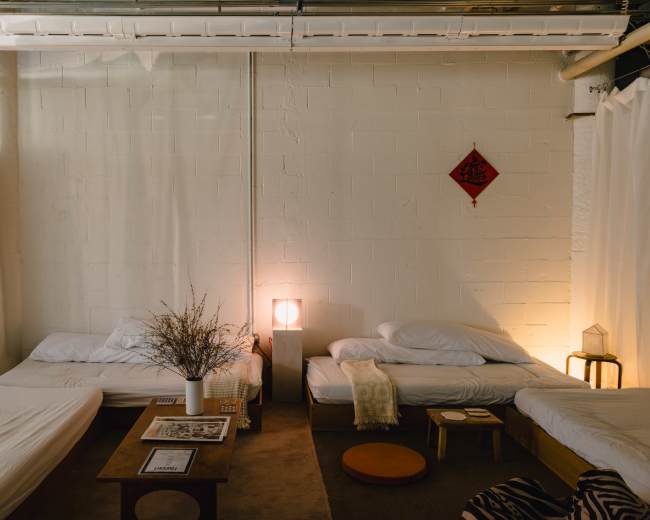
- Choose an engineer if: It's your first studio session, you're recording video and audio, you have multiple guests, you're hosting an important client or executive, or you want the session to feel truly walk-in and walk-out.
- Run it yourself if: You have a repeatable format, only need one or two microphones, feel comfortable checking levels, and can spare a few extra minutes for setup and troubleshooting.
- Use a hybrid option if: You want to save money but still want peace of mind, such as a podcast studio with pre-set gear and light host support.
How podcast rooms work on Peerspace
Peerspace is the easiest way to book unique for all kinds of productions including photo shoots, film shoots and music videos. We also have spaces for meetings and events.
The most locations
Every day we uncover new, inspirational spaces, including podcast rooms, perfect for your activity.
Professional hosts
Our network of helpful hosts respond quickly, and are well-versed in accommodating all types of productions, including film and photo shoots.
Hire by the hour
Only pay for what you need. Pay by the hour for your podcast room location without worrying about hidden fees or overtime.
Popular podcast studios
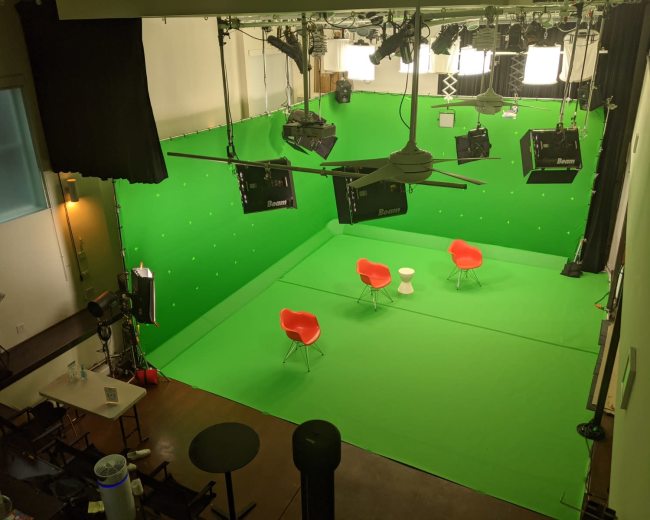
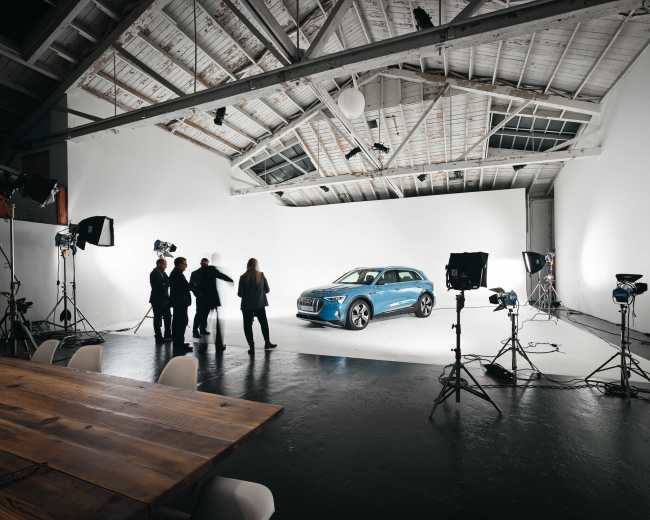
FULL SERVICE VIDEO STUDIO PACKAGES: Lights/Cameras/Crew
Mission District, San Francisco, CA5.0 (201)
6 guests
TURN-KEY VIDEO PRODUCTION SERVICES EVERY RENTAL INCLUDES: • Studio – pin-drop quiet video soundstage • In-House Studio Technician – lighting or technical assistance • Grip Equipment – 3-ton truck equivalent • Lighting Equipment – 83 continuous instruments • Studio Support Package – steamers, iron/board, clothing…
...
From
$475
/hr
5 hr min
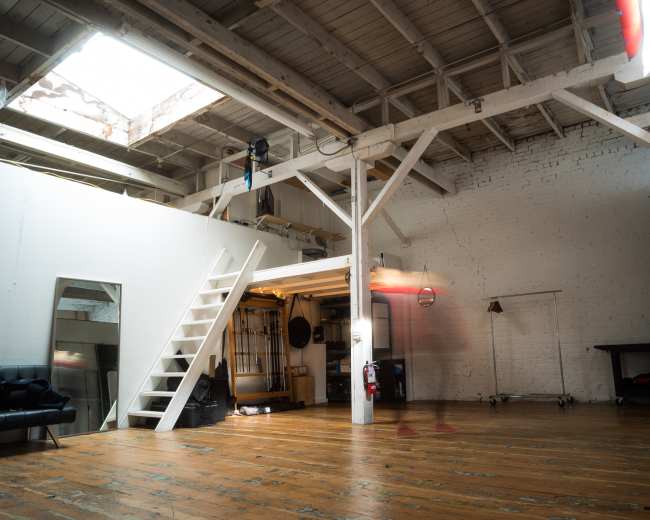
Studio Loft With Amazing Natural Daylight
Mid-Market, San Francisco, CA4.9 (305)
50 guests
Flex Space / Dayligth Studio / Dance Studio / Yoga Studio / Event Venue and more! This naturally lit creative space is perfect for a wide range of activities! (The daylight floods the space through the skylight ALL DAY) Our stunning studio located at 1067…
...
From
$35
/hr
1 hr min
Perfect Studio with Cyc wall, Natural Light & Grip Equipment
Bayview, San Francisco, CA5.0 (53)
12 guests
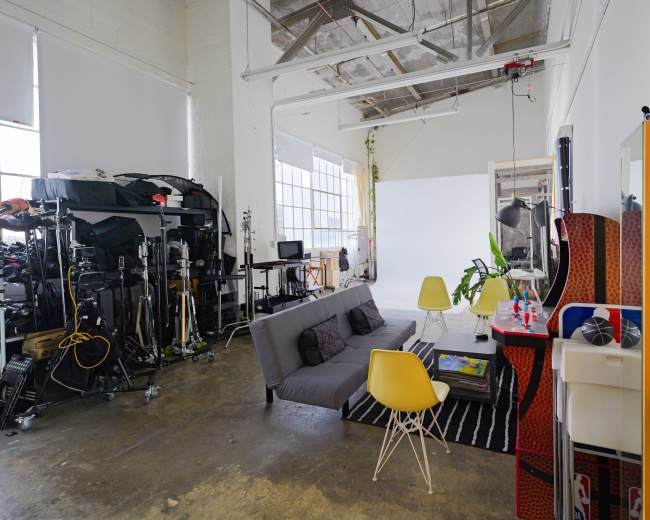
Welcome to the Studio! It's a 900-square-foot space in a historic artist building in Portola/Bayview neighborhood in San Francisco. WATCH THE STUDIO VIDEO TOUR HERE: https://845a.studio/videotour The white cyclorama wall is the perfect size for full-body portraits to classic headshots. The available light is beautiful…
...
From
$95
/hr
1 hr min
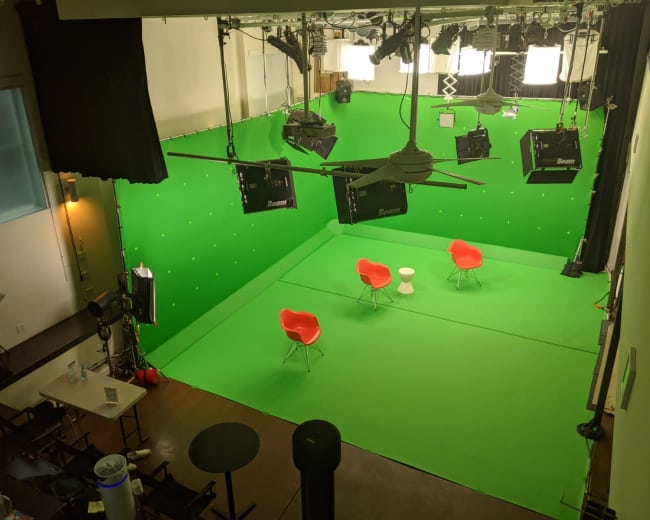
Full Green Screen Studio for Video, Training & Commercials
Northern Waterfront, San Francisco, CA4.4 (5)
100 guests
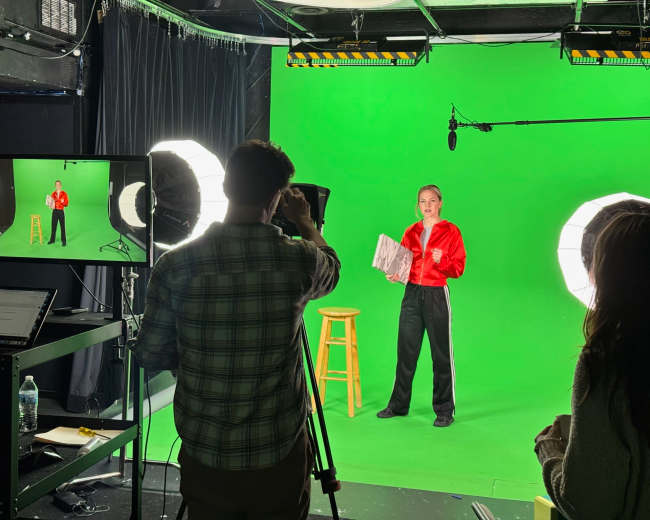
Built for productions that need clean chroma key results, this full green screen studio gives filmmakers, brands, educators, and content teams a controlled space for commercials, training videos, product demos, app walkthroughs, music videos, interviews, and virtual sets. The floor-to-ceiling green surface, controllable lighting environment,…
...
From
$100
/hr
3 hr min
Bright SOMA Photo & Video Studio w/Gear, View, Kitchenette
SoMa, San Francisco, CA4.9 (18)
15 guests
Equipment Rental Available - Please view pricing under "Add-Ons". A bright 700+ square foot photography studio in the SoMa district of San Francisco. This building was built in 1925 and renovated into 18 individual professional office suites with high ceilings and hardwood floors. Each wing…
...
From
$99
/hr
4 hr min
Neighborhood Studio & Meeting Space
Bernal Heights, San Francisco, CA5.0 (10)
10 guests
Located on the main commercial street in Bernal Heights, aka Cortland Ave, this modern neighborhood studio is ideal for small meetings, co-working space, and photo/video shoots. The venue boasts a large open studio space with 15 ft high ceilings and white walls. We also have…
...
From
$75
/hr
2 hr min
Bold, Light-Filled Creative Studio in SoMa | Shoots, Events & Workshops
SoMa, San Francisco, CA5.0 (2)
60 guests
This isn't just a room to rent. IT'S A CREATIVE LAB. Welcome to the Brave New Spaces Studio - a light-filled, flexible 2nd floor studio in the heart of San Francisco's SOMA Pilipinas Cultural Heritage District. Whether you're shooting content, hosting a workshop, gathering your…
...
From
$150
/hr
1 hr min
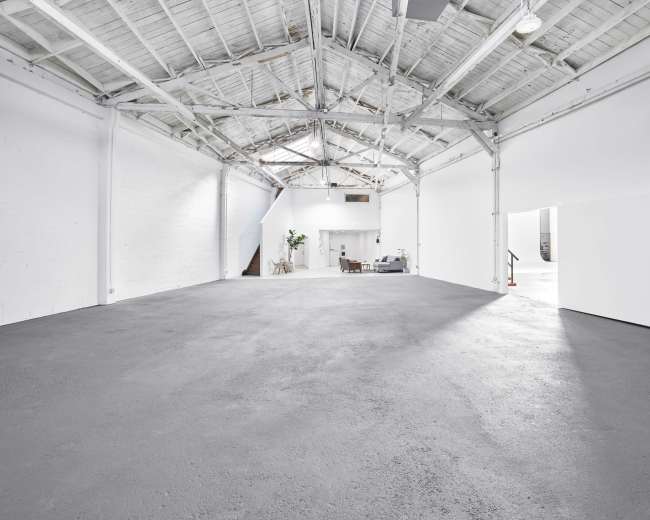
Warehouse Studio for Film & Photo Production
Brisbane, CA35 guests
This 6,000 sq ft industrial warehouse production studio offers a cinematic environment ideal for film, photography, and creative media projects. Located in a production-friendly industrial area, the studio provides convenient access for crew vehicles, trucks, and equipment load-ins. Inside the studio, guests have access to…
...
From
$75
/hr
2 hr min
The Producer's Loft Studio — GREENSCREEN
Mission District, San Francisco, CA25 guests
Large professional greenscreen in several configurations, including: Single wall, Single wall with floor, 2-Wall with floor, 3-wall with floor. ____________________ If your brand, your client, or your message matters—this is where you create it. Let’s be clear—there’s a big difference between a room with a…
...
From
$443
/hr
5 hr min
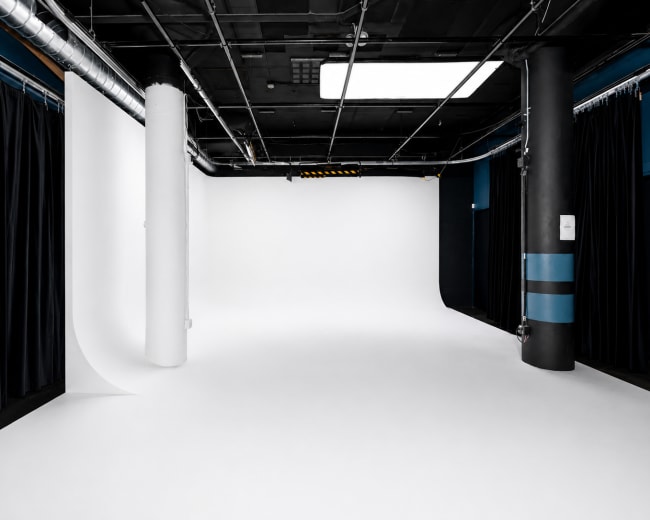
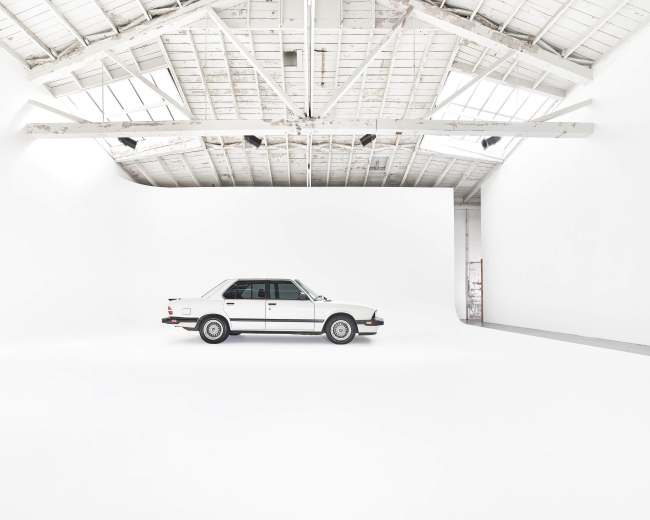
White Cyc Studio for Photo, Video & Product Shoots
Northern Waterfront, San Francisco, CA5.0 (46)
100 guests
Create clean, professional photo and video work inside VibeShack's white cyc studio in San Francisco. The room is built for production teams, brands, photographers, agencies, creators, and small crews that need a seamless white backdrop with real studio infrastructure around it. The space works well…
...
From
$100
/hr
2 hr min
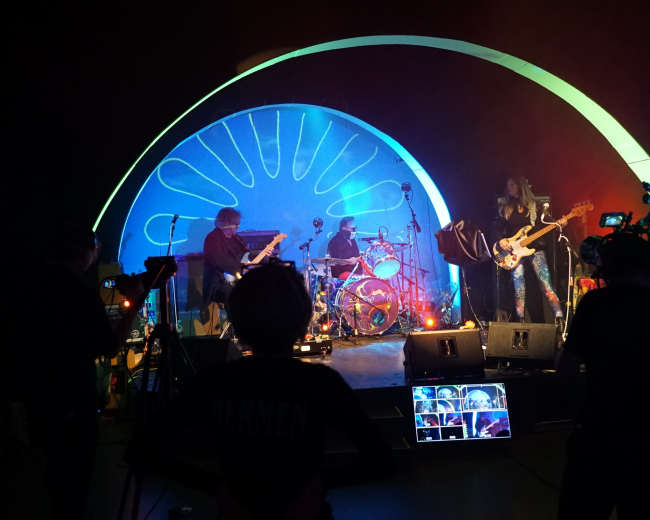
Enormous Music, Film, and Broadcast Studio | Light Rail Studio
Produce Market, San Francisco, CA242 guests
With enough space to host a 200 + person live studio audience, Light Rail Studios will turn your productions into unforgettable events. Hosting a broadcast or fundraiser at our place allows you to maximize your event by having high quality content captured and delivered within…
...
From
$598
/hr
8 hr min
SOMA Creative Flexible Studio
Mid-Market, San Francisco, CA10 guests
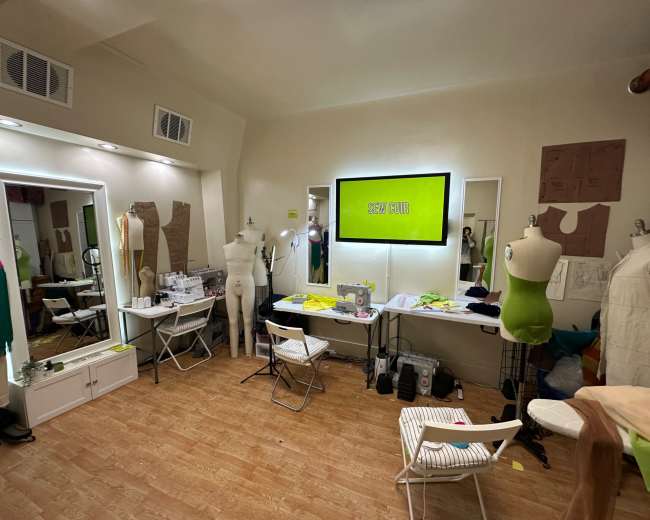
This 200-square-foot sewing studio is a fully equipped, cozy space ideal for private lessons, small group workshops, fittings, or creative projects centered on fashion, costume, and textile arts. The space is enclosed with no windows—perfect for focused work, filming, or quiet collaboration. What’s included: 7…
...
From
$85
/hr
4 hr min
Beautiful Studio with FREE Gear
Mission District, San Francisco, CA4.9 (687)
25 guests
Check out our reviews... :) Tons of FREE gear (see list* below) 30 foot wall of natural light (with blackout curtains) 1,400 Square Feet 12' High Ceilings Complete Kitchen Private Bathroom Storage/Changing room Loading Dock | Freight Elevator 2 large Tables 2 more optional large…
...
From
$109
/hr
4 hr min
Light Controlled Studio | Deep Runway | Private Parking
Bayview, San Francisco, CA5.0 (74)
40 guests
Light Controlled Studio | Deep Runway | Private Parking **Please select a backdrop color in the Add-Ons section below** Studio Perks: 1. New, backdrop seamless paper pulled and shoot-ready for your arrival. Choose from 16 in-stock colors. 2. Deep Runway layout 55’ long x 15’…
...
From
$15
/hr
1 hr min
Bright Natural Light SOMA Photo & Event Studio
SoMa, San Francisco, CA70 guests
Welcome to Cousin Studio—a bright, flexible space designed for unforgettable events, creative productions, and community gatherings. Whether you're hosting a workshop, producing a photoshoot, filming content, or bringing your community together, Cousin Studio provides a welcoming blank canvas that can be transformed to fit your…
...
From
$95
/hr
4 hr min
Stunning Modern Creative Space with San Francisco's Best Cyc Wall
Mission District, San Francisco, CA5.0 (49)
40 guests
Located in the heart of San Francisco's lively Mission District, our West Studio is about 3,700 square feet, an elevated yet cozy vibe, soaring 30' ceilings with giant skylights and makes an inspiring, creative and productive production facility. Additional features: • Shooting area with 30’…
...
From
$225
/hr
8 hr min
Creative Photography Studio in Historic Artist Community
SoMa, San Francisco, CA4.9 (125)
5 guests
Please note that our hourly rate only include the rental of the physical space. Production equipment inside of our space is extra. Please ask for those rates if you intend to rent any gear. You are more than welcome to bring your own production equipment,…
...
From
$39
/hr
6 hr min
Huge studio with natural light & sky-high ceilings
Ingleside Terraces, San Francisco, CA120 guests
Our Ocean Ave Studio is a spacious and light-filled venue ideal for a wide range of professional and creative activities. Located in the Ingleside neighborhood of San Francisco, this versatile space boasts huge windows and natural light, soaring ceilings, unique architectural details, natural hardwood flooring,…
...
From
$500
/hr
2 hr min
Spacious 2,500 Sq Ft San Francisco Event, Meeting & Production Studio
Financial District, San Francisco, CA100 guests
Welcome to a spacious and colorful art and craft workshop studio in San Francisco. This 2,500 sq. ft. venue combines a professional event setup with the creative atmosphere of a working art studio. The space comfortably accommodates up to 100 guests and is ideal for…
...
From
$90
/hr
4 hr min
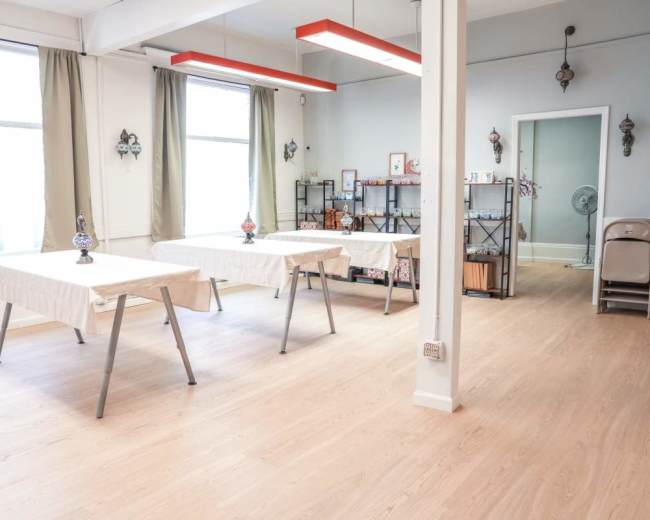
Sunlit Mission Tearoom & Event Studio — Workshops, Shoots, Private Events
Mission District, San Francisco, CA80 guests
Kindred Studio is a sun-filled, artist-owned tearoom and event space in San Francisco's Mission District — a favorite for art workshops, photo and video shoots, content creation, private parties, and corporate offsites. The main studio has movable tables and stools seating up to 25, reconfigurable…
...
From
$420
/hr
4 hr min
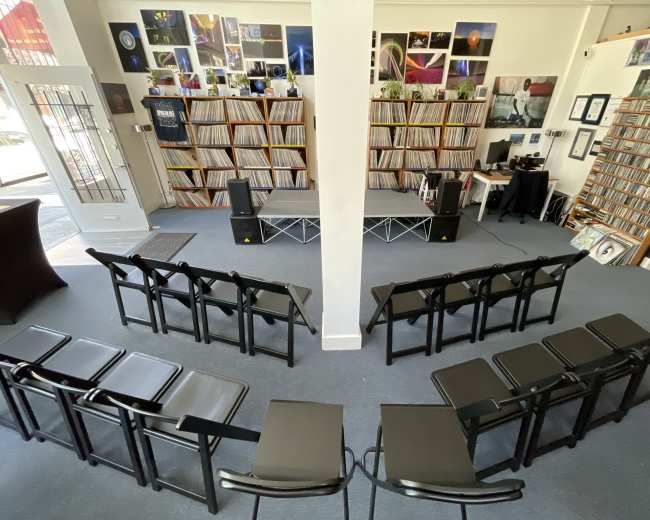
DJ Studio and Art Space in the Heart & Soul Of The Mission District
Mission District, San Francisco, CA25 guests
DJ Studio located in the Heart & Soul Of The Mission District in San Francisco that offers an intimate and warm environment for hosting your musical event, team or community gathering. Participants will be surrounded by a lifetime collection of records, cassette tapes and CDs,…
...
From
$300
/hr
4 hr min
Flexible, Modern Creative Space in Historical Mission Building
Mission District, San Francisco, CA5.0 (20)
40 guests
Located in the heart of San Francisco's lively Mission District, our East Studio is 3,200 square feet of space, an elevated yet cozy vibe and soaring 25' ceilings with giant skylights, our dramatic studio makes an inspiring and productive shoot. Additional features: • Convenient access…
...
From
$190
/hr
6 hr min
Stunning Modern Creative Space with San Francisco's Best Cyc Wall
Mission District, San Francisco, CA5.0 (3)
49 guests
With 7,000 square feet of soaring ceilings and a lofty feel, our dramatic studios offer an elevated yet cozy vibe that's unassuming from the outside and awe-inspiring on the inside. Located in the heart of San Francisco's lively Mission District, this unique production facility is…
...
From
$415
/hr
8 hr min
Incredibly Bright Photo/Video Studio with Private Outdoor Space
Potrero Hill, San Francisco, CA5.0 (146)
20 guests
NRM Studios is an 1100 sq/ft multi level creative studio space nestled in the heart of the Dogpatch of San Francisco. The main studio space walls have been covered in state of the art sound proofing panels which makes it the perfect space for any…
...
From
$150
/hr
4 hr min
Daylight Photo & Film Studio w/ Free Gear – Mission SF
Mission District, San Francisco, CA5.0 (91)
25 guests
CREATE YOUR BEST WORK IN A SPACE THAT INSPIRES. This 1,300 sq. ft. sun-drenched studio loft in San Francisco’s vibrant Mission District is purpose-built for photo and video shoots, interviews, and content production. Whether you're filming a branded campaign or staging a lifestyle shoot, this…
...
From
$99
/hr
4 hr min
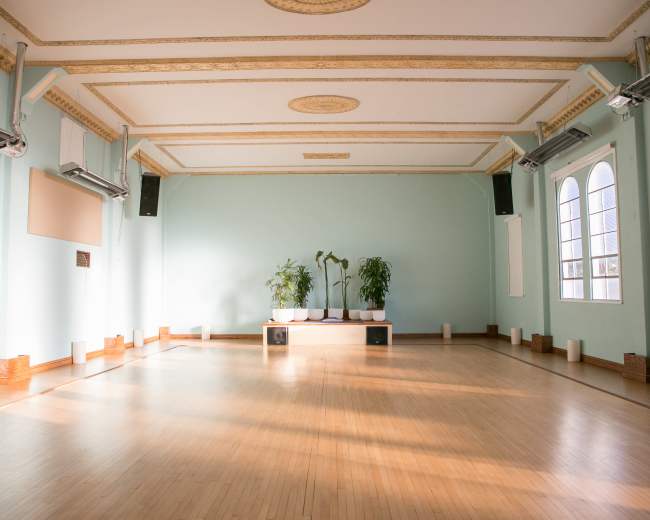
Large Window Indoor Dance Studio Perfect for Photography and Video Production - S1
Union Square, San Francisco, CA4.9 (64)
30 guests
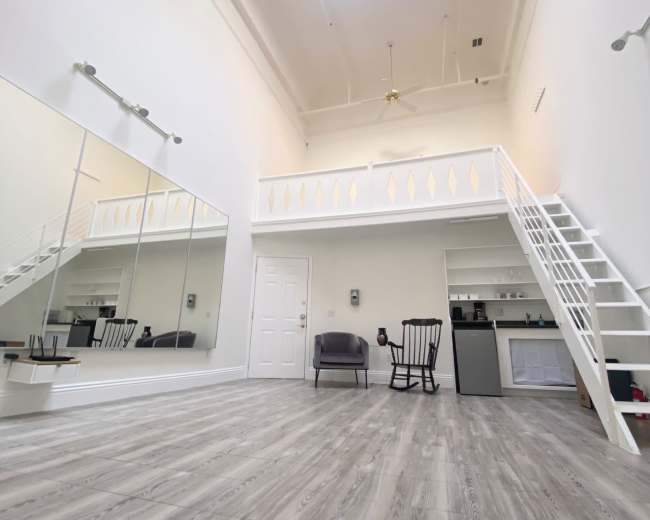
This space is great for large productions including film/media full day shoots, dance and fitness classes and speaking events. This space also includes a lounge, kitchenette with a microwave/refrigerator and a changing room with 3x custom created beauty glam stations. This space is great for…
...
From
$175
/hr
2 hr min
Spacious and Charming Industrial Studio
Bayview, San Francisco, CA5.0 (42)
75 guests
FAQs We cannot support amplified sound (DJ or band) after midnight Renters must supply their own theatrical lighting and video equipment USE OF SPACE Film/TV Productions Photo shoots INCLUDED IN BOOKING RATE Use of entire stage and bleachers Use of 75 folding chairs WIFI Professional…
...
From
$185
/hr
4 hr min
Music Recording Studio. Engineer Included in price
Potrero Hill, San Francisco, CA5.0 (13)
5 guests
All genres welcome. Primarily focused on hip-hop/rap as most of my clients are local artists from the bay area. My studio has a really good vocal booth - I specialize in recording vocals over music (music that is typically brought by the artist). Room is…
...
From
$65
/hr
2 hr min
Music/Vocal Recording and Mixing Engineer
Potrero Hill, San Francisco, CA4.9 (18)
5 guests
This studio has been a location for various music videos, podcasts, music writing, recording, mixing, and mastering. There is a vocal booth and a main space with a couch for eating, songwriting, practicing, taking a break, etc. This is the perfect place for small groups…
...
From
$75
/hr
2 hr min
Versatile, Tranquil Oasis in SF
SoMa, San Francisco, CA5.0 (8)
40 guests
If you're looking for a place to shoot content, film a webinar, or produce a photoshoot, our flexible studio can be the perfect backdrop for you. This second floor walk-up studio is approximately 1350 square feet total and is a relaxing urban sanctuary in SOMA.…
...
From
$139
/hr
4 hr min
Photography Studio with Lounge Area
Mission Bay, San Francisco, CA10 guests
A beautiful storefront space featuring high ceilings, ideal for photography or other creative projects! Perfect for: Photography and video shoots Podcasts Pop-up shops Small events Creative meetups Business meetings Amenities: White backdrop paper roll Black backdrop paper roll Camera tripod Lighting available (additional cost) Lounge…
...
From
$170
/hr
2 hr min
Beautiful, Large, Clean Space with 100" 4K TV & Wireless Mics (Seats up to 70)
SoMa, San Francisco, CA70 guests
Step into a 900 square foot stunning, spacious, and impeccably clean venue designed to impress. This beautiful event space comfortably seats up to 70 guests and features a massive 100" 4K TV—perfect for presentations, movie nights, immersive viewing experiences, and classes. It's ideal for lectures,…
...
From
$499
/hr
3 hr min
Potrero Film/Photo/Recording Studio with parking.
Potrero Hill, San Francisco, CA5.0 (35)
20 guests
Imagine this 500+ SqFt multi purpose film/photo/sound stage and studio as your perfect imaginary playground for manifesting your next production! The cyclorama wall is perfect for getting seamless and professional film/ photos! The size of the room is perfect for big groups, productions, bands and…
...
From
$50
/hr
3 hr min
Immersive Rave-Inspired Fitness Studio
Pacific Heights, San Francisco, CA20 guests
Designed to deliver an unforgettable experience, this immersive event space combines boutique design with nightclub-quality production. The venue features a premium club-level sound system, programmable lighting, lasers, haze effects, and vibrant rave-inspired artwork, creating an atmosphere unlike a traditional event venue. Perfect for private parties,…
...
From
$125
/hr
2 hr min
Versatile and Modern Event Space in Downtown SF
Financial District, San Francisco, CA5.0 (11)
140 guests
This stunning and versatile event space in the heart of downtown San Francisco blends modern design with full functionality, making it ideal for gatherings of up to 120 people. Designed by the world-renowned firm Gensler, the space offers flexibility to accommodate workshops, speaker panels, offsites,…
...
From
$605
/hr
1 hr min
Do I need an engineer, or can I run the podcast setup myself?
You can run the setup yourself if your format is simple and the tech won't pull you out of the conversation. For many people booking a podcast studio in San Francisco, the real question isn't whether they're capable. It's whether they want to spend the session thinking about gain levels, headphone mixes, camera framing, file backup, and remote guest issues instead of focusing on the guest.
A good rule of thumb is:
Why do San Francisco studio rates vary so much?
San Francisco rates vary because you're paying for more than a room. You're paying for some combination of acoustics, equipment, staffing, location, aesthetics, convenience, and risk reduction.
A basic audio room for a solo host is very different from a turnkey podcast studio with multiple cameras, lighting, an operator, and post-production support. That's why the price range can look so wide.
Here's what usually drives the difference:
- Room quality: A well-treated room with low echo, controlled background noise, and solid sound isolation usually costs more than a flexible creative space that can work for recording.
- Gear included: Microphones, headphones, mixers, lights, switchers, cameras, and backdrops add value when they're included and ready to use.
- Support level: Self-serve spaces are usually cheaper, while staffed studios cost more because you're also paying for setup help, monitoring, troubleshooting, and sometimes editing.
- Look on camera: Some spaces are priced partly as filming locations, not just audio rooms. If your show needs a strong visual identity, that camera-ready design matters.
- Neighborhood and access: Centrally located studios near downtown, the Mission, or major transit hubs often command more because they reduce friction for guests.
- Minimum hours: A higher hourly rate can still be the better deal if it includes staff and only requires a short booking. A lower rate can become more expensive once you add setup time and extra rentals.
Can I book a space for evenings or same-week sessions?
Yes. Many podcast studio bookings in San Francisco can work for evenings or same-week sessions, especially when your setup is simple and your request is clear.
Your best chance of getting a fast booking is to send a specific brief up front. Include:
- Your format: Audio-only, video podcast, interview, roundtable, or remote guest session
- Your headcount: Host, guest, producer, camera operator, and any extra crew
- Your timing needs: Preferred day, arrival time, recording start time, and wrap time
- Your technical needs: Engineer, cameras, live switching, teleprompter, or file delivery
- Your guest needs: Parking, elevator access, late building entry, or nearby transit
- After-hours access: Can the building and studio be accessed in the evening
- Extra evening fees: Whether late bookings cost more
- Overtime policy: What happens if your session runs long
- Same-day tech support: Whether someone can help if an issue comes up
- Rescheduling terms: How flexible the host is if guest timing changes
- Setup and teardown time: Whether it's included in the booking window
Which San Francisco neighborhoods work best for recording guests?
The best neighborhood is the one that makes it easiest for your guest to say yes. In most cases, guest convenience matters more than having the trendiest address.
Here's a practical way to think about neighborhoods:
- Downtown, Union Square, Financial District, and SoMa: Best for executives, business guests, and anyone arriving from hotels, BART, or regional transit. These areas are usually the easiest for formal interviews and branded shows. If this fits your format, you can look for studios in SoMa to see what's available in that area.
- Mission District: Great for creative guests, media professionals, founders, and storytellers who want a neighborhood with personality and a strong creator ecosystem. If you're planning an on-camera conversation in this area, consider interview filming locations in the Mission District that match the vibe you're going for.
- Mission Bay and Potrero Hill: Often a smart middle ground if you need easier car access, newer buildings, or a bit more breathing room around load-in and arrival.
- North Beach, Marina, and residential pockets: Best when your guest is local and the neighborhood vibe matters to the show. These areas can feel more relaxed, but they're not always the easiest for first-time visitors.
- Transit access: How easy it is to arrive without a car
- Parking reality: Whether guests can realistically find parking nearby
- Safety and comfort after dark: Especially for evening sessions
- Elevator or stair access: Important for guests, crew, and gear
- Street noise: Whether outside noise could affect your recording
- Nearby waiting spots: Coffee shops or places for early guests to sit comfortably
Should I ask for a tour to check the vibe first?
Yes. Touring a podcast studio before you book is a smart move, especially if this is your first session, your podcast is filmed, or guest experience matters as much as audio quality.
Photos can show what a studio looks like, but they rarely show how it feels. For podcasting, that matters. The right room helps people relax, open up, and sound like themselves. The wrong room can feel stiff, noisy, rushed, or uncomfortable even if it looks great online.
A tour lets you check details that listings and reviews often miss:
- Sound reality: Whether you can hear hallway chatter, HVAC hum, traffic, or building noise when the room is quiet
- Guest comfort: Whether the chairs work for a long conversation and whether there's room for coats, bags, water, and notes
- Camera angles: Whether the background looks strong from seated eye level, not just in wide promo shots
- Lighting quality: Whether the light flatters faces or feels harsh, flat, or hard to control
- Host professionalism: Whether the space feels organized, maintained, and ready for a real session
Should I rent a podcast room or record at home, a park, or the beach?
If clarity, consistency, and guest experience matter, rent the room. A podcast studio gives you more control, more reliable results, and less technical stress than recording at home or outdoors.
Here is the practical tradeoff:
- Podcast room: Best for clean audio, consistent results, easier guest hosting, repeatable workflow, and a polished video look
- Home: Best for testing ideas, solo episodes, and early-stage shows where budget matters more than production value
- Park or beach: Best when the environment is part of the story and you're willing to accept wind, interruptions, and uneven sound
- Choose home if: The goal is practice, publishing volume, or rough content
- Choose a studio if: The goal is professionalism, reliable audio, or hosting an important guest
- Choose outdoors only if: The setting adds enough creative value to justify the production risk
Similar searches in San Francisco, CA
Updated September 13, 2026Our data is refreshed in real time using booking trends, verified guest reviews, and direct partner updates — with additional quality checks from our team.