


Sun
Mon
Tue
Wed
Thu
Fri
Sat
$200/hr$150/hr$100/hr$50/hr
Peerspace is the easiest way to book unique venues for parties. We also have spaces for productions and meetings.
Discover SpacesEvery day we uncover new, creative spaces perfect for your reception — from neighborhood galleries to hidden rooftops, and beyond.
Our spaces are priced to fit your budget. Hire by the hour for your party without worrying about hidden fees.
No more messy contracts. We build the tools to make hiring out a space for your reception as easy as the click of a button.
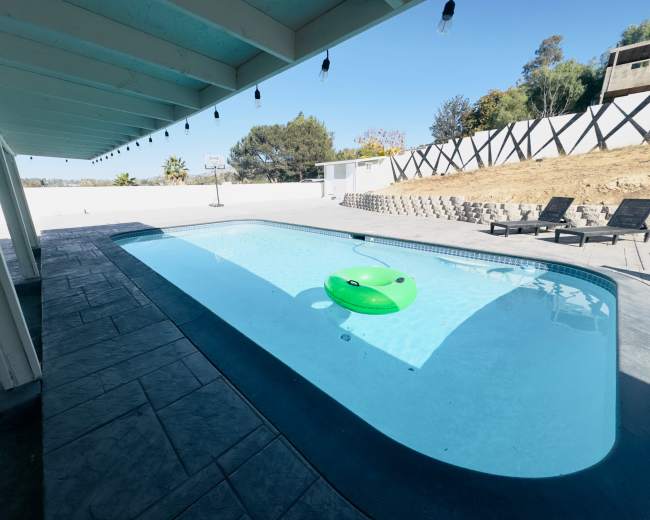
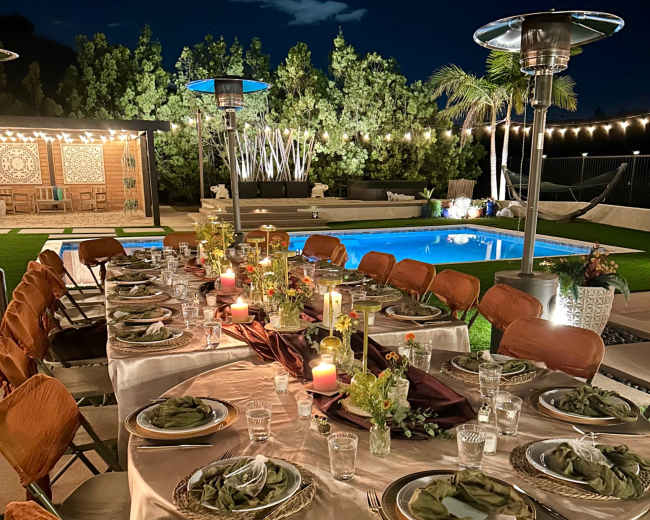
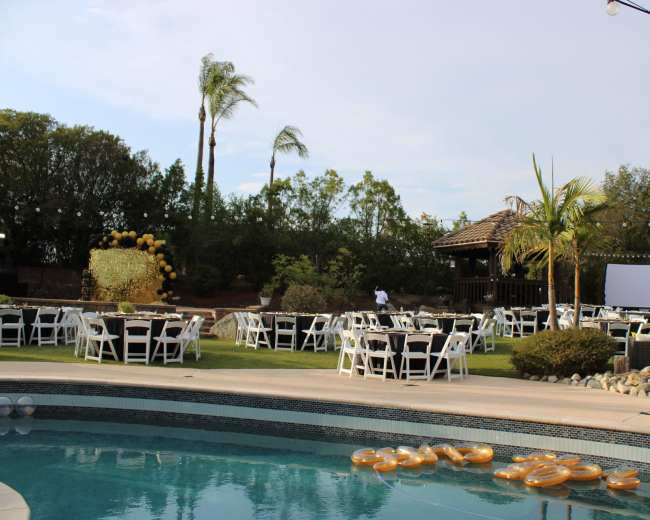
Spacious Backyard Pool Retreat for Parties and Gatherings
La Presa, Spring Valley, CA5.0 (3)
100 guests
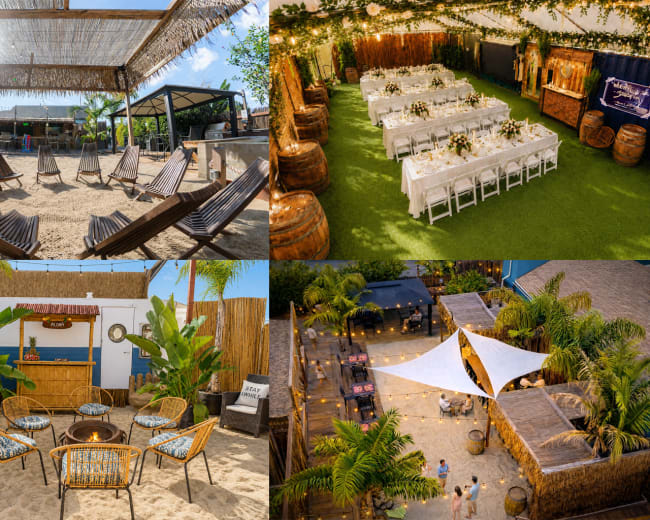
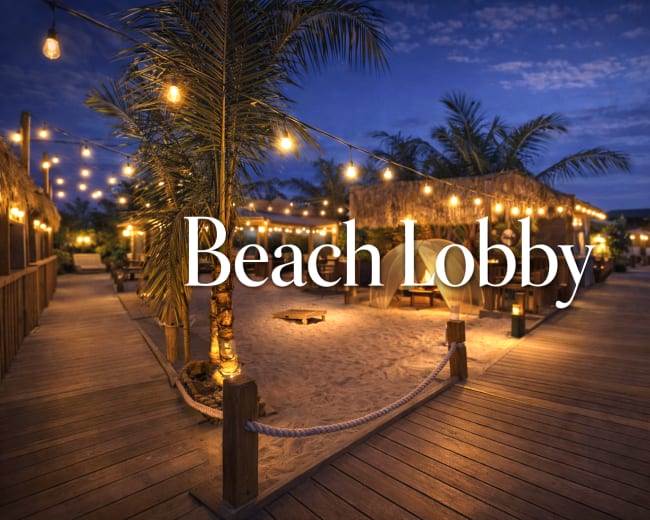
EVENT BEACH + FORMAL TENT with PARTY & GAME AREA
Stockton, San Diego, CA250 guests
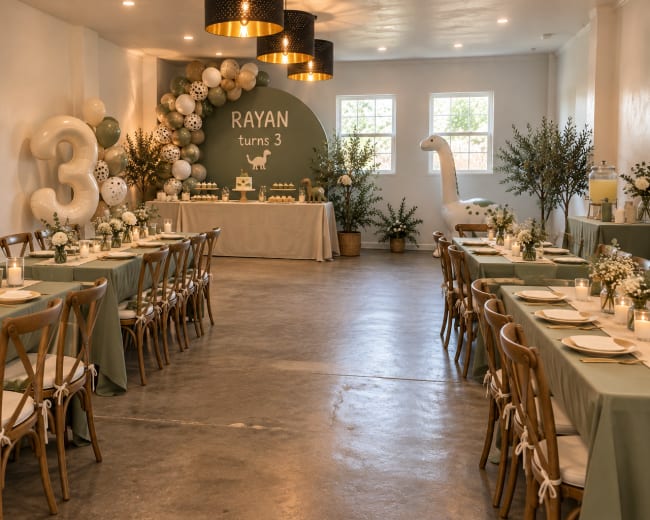
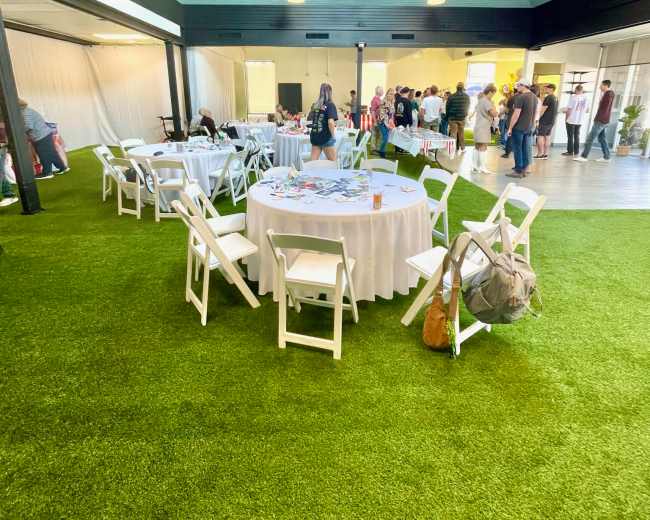
Beautifully Remodeled Open Concept Venue Space For Your Next Party, Makers Market, Community/Business Event
El Cajon, CA80 guests
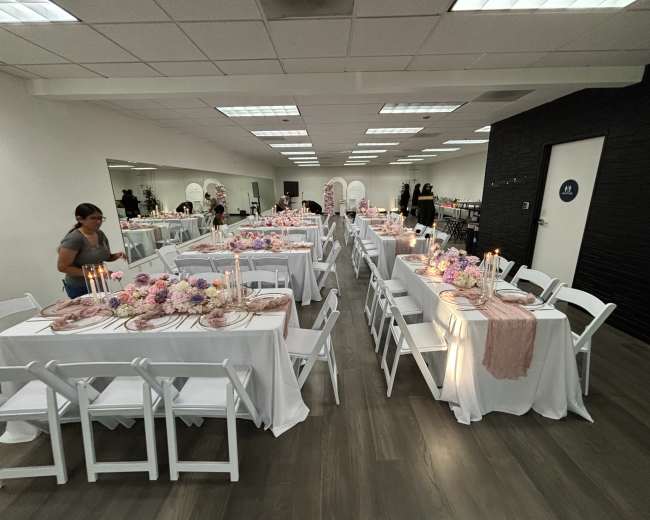
A Mod Venue in the Eastlake Community
Eastlake Business Center, Chula Vista, CA5.0 (37)
75 guests
Good Life Beach - Private Events
Stockton, San Diego, CA4.9 (64)
250 guests
Large Private Beachside and Palms Space
Pacific Beach, San Diego, CA4.5 (4)
225 guests
South County's Zen Outdoor Venue
San Miguel Ranch, Chula Vista, CA5.0 (5)
75 guests
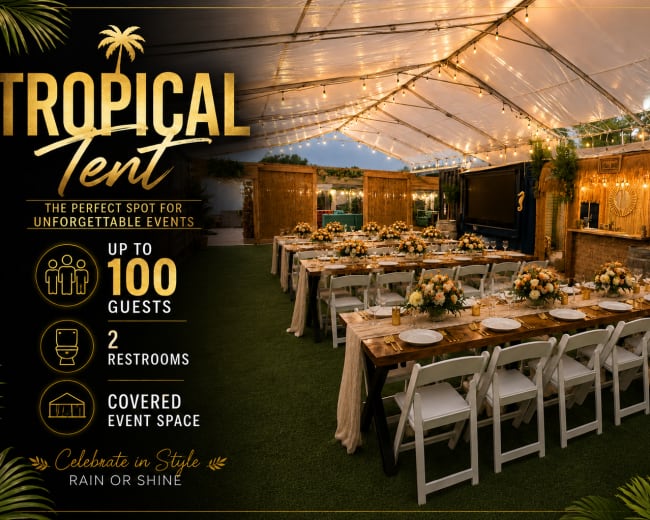
Tropical Event Tents & Tiki Bar
Stockton, San Diego, AS5.0 (12)
200 guests
Amazing Spacious Lounge Ready for your Next Event, Party or Workshop!
Pacific Beach, San Diego, CA4.7 (34)
50 guests
Urban Space with outdoor area, rustic, industrial, cozy feel.
Hillcrest, san diego, CA5.0 (11)
150 guests
Deck 655 - Modern Downtown Event Venue with Skyline View
Downtown San Diego, CA5.0 (2)
350 guests
Full Service Event Space
Pacific Beach, San Diego, CA100 guests
Chula Vista Event Canvas near Bayfront J Street
Chula Vista, CA5.0 (4)
60 guests
Vibrant & Versatile Creative Outdoor Space
Morena, San Diego, CA4.7 (17)
175 guests
Studio 1026 Creative & Event Space
National City, CA5.0 (7)
90 guests
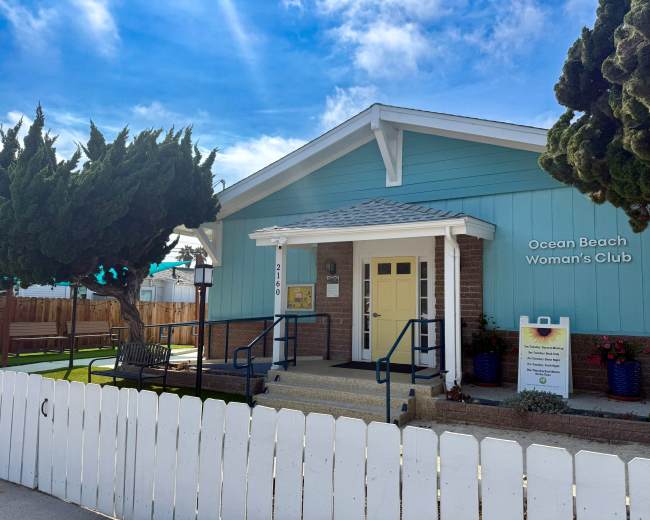
Beautiful Clubhouse in Ocean Beach
Point Loma, San Diego, CA4.9 (70)
90 guests
Spacious resort style backyard with pool, fireplace and barbeques
Poway, CA5.0 (4)
60 guests
Outdoor Event Space | Climbing Gym with Skyline Views
Logan Heights, San Diego, CA5.0 (1)
150 guests
SUBURBAN, CHILL PRIVATE BACKYARD
Chula Vista, CA70 guests
Funky art haven by the beach
Point Loma, San Diego, CA5.0 (13)
120 guests
Elegant Private Event Space with Catering, Bar & Flexible Layout
Clairemont, San Diego, CA250 guests
Mt. Helix Villa – Gated Estate Venue │ Pool, Spa, Courtyard & Chef’s Pavilion
Casa de Oro-Mount Helix, La Mesa, CA50 guests
Beautiful Private Beer Garden
Pacific Beach, San Diego, CA5.0 (49)
100 guests
Small Micro Wedding Venue with 1920s Theme with Brick in Urban Gaslamp Art Gallery
Asian Pacific Thematic Historic District, San Diego, CA200 guests
Centrally Located Event Space with Plenty of Light
Mission Valley West, San Diego, CA150 guests
Luxe Event Space in La Jolla (San Diego) Ideal for Shoots, Activations, Intimate Events
Village of La Jolla, CA100 guests
Speakeasy Art Gallery
Point Loma, San Diego, CA4.0 (6)
250 guests
Coronado Historic Fire Station Venue
Coronado, CA150 guests
Private 1-Acre Resort Oasis: Hilltop Retreat, Stunning Mountain Views, Deck Stage & Saltwater Pool
Rancho Bernardo, San Diego, CA50 guests
Indoor Downtown-Rustic Loft
Gaslamp Quarter, San Diego, CA70 guests
Beautiful new restaurant space in the heart of Downtown San Diego!
Asian Pacific Thematic Historic District, San Diego, CA125 guests
Modern Mission Valley Event Space with Lounge & Bar – 3,000 sq. ft.
Mission Valley East, San, CA4.3 (3)
75 guests
Modern, Minimalist Event and Retail Space Near SDSU
El Cerrito, San Diego, CA50 guests
Urban, well designed, orchid award winning space for wellness, photo, private parties
Hillcrest, San Diego, CA33 guests
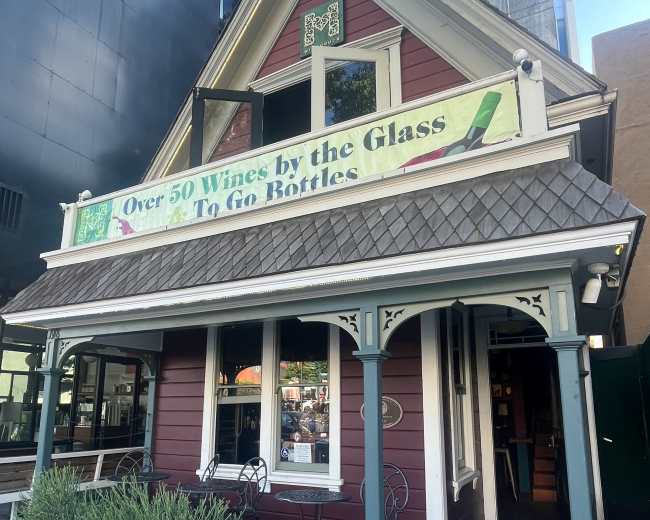
Quaint Historic Winebar in the heart of Little Italy
Downtown San Diego, CA5.0 (4)
35 guests
Pricing and popularity information in this section is based on proprietary Peerspace booking data, reflecting recent booking activity and the latest data available through October 2026.
Party venues in San Diego average $150 per hour to rent, but it’s easy to spend less or more depending on what you’re looking for. For a space on the smaller side, expect to spend closer to $120, whereas larger venues run about $419 per hour.
Most party venues are scheduled for 5 hours, with 62 people in attendance. You’ll find the most Parties starting between 3:00 PM and 4:00 PM.
Our local hosts have welcomed 3855 people into their party venues with reviews averaging 4.89 stars. Most even said they would book again -- about 95%.
Saturdays are the most popular day for booking party venues in San Diego. For those seeking a deal, consider booking Monday and Sunday as these days are 15% cheaper on average.


